Tipperary farmers gather for training on tackling invasive species
More than 28 farmers gathered in Cappawhite, Co. Tipperary this week for a practical training event focused on giant hogweed control and water quality protection.
The event highlighted the important role farmers play in tackling invasive species and improving environmental sustainability on their farms.
Hosted by Tom and Geraldine Ryan, Moher East, Cappawhite, the national pilot event brought together farmers, agricultural advisors and environmental specialists to demonstrate how productive farming and environmental protection can work hand in hand.
The training was organised by Teagasc through the Agricultural Sustainability Support and Advisory Programme (ASSAP), the Farming for Water EIP and INVAS Biosecurity.
It was supported by the National Biodiversity Centre, Nore Vision and advisers from Arra-Tipp, Dawn Meats, ABP and the Kinisla advisory teams, and Tipperary County Council.
Giant hogweed
Invasive species expert Noel McCarthy of INVAS Biosecurity led the training, providing practical guidance on the identification, safe handling and control of giant hogweed, one of Ireland’s most problematic invasive plant species.
Participants learned how to identify the plant at different stages of growth, implement effective biosecurity measures and safely carry out mechanical control where infestations are detected early.
“Giant hogweed poses a significant threat to biodiversity, land management and public safety,” McCarthy said.
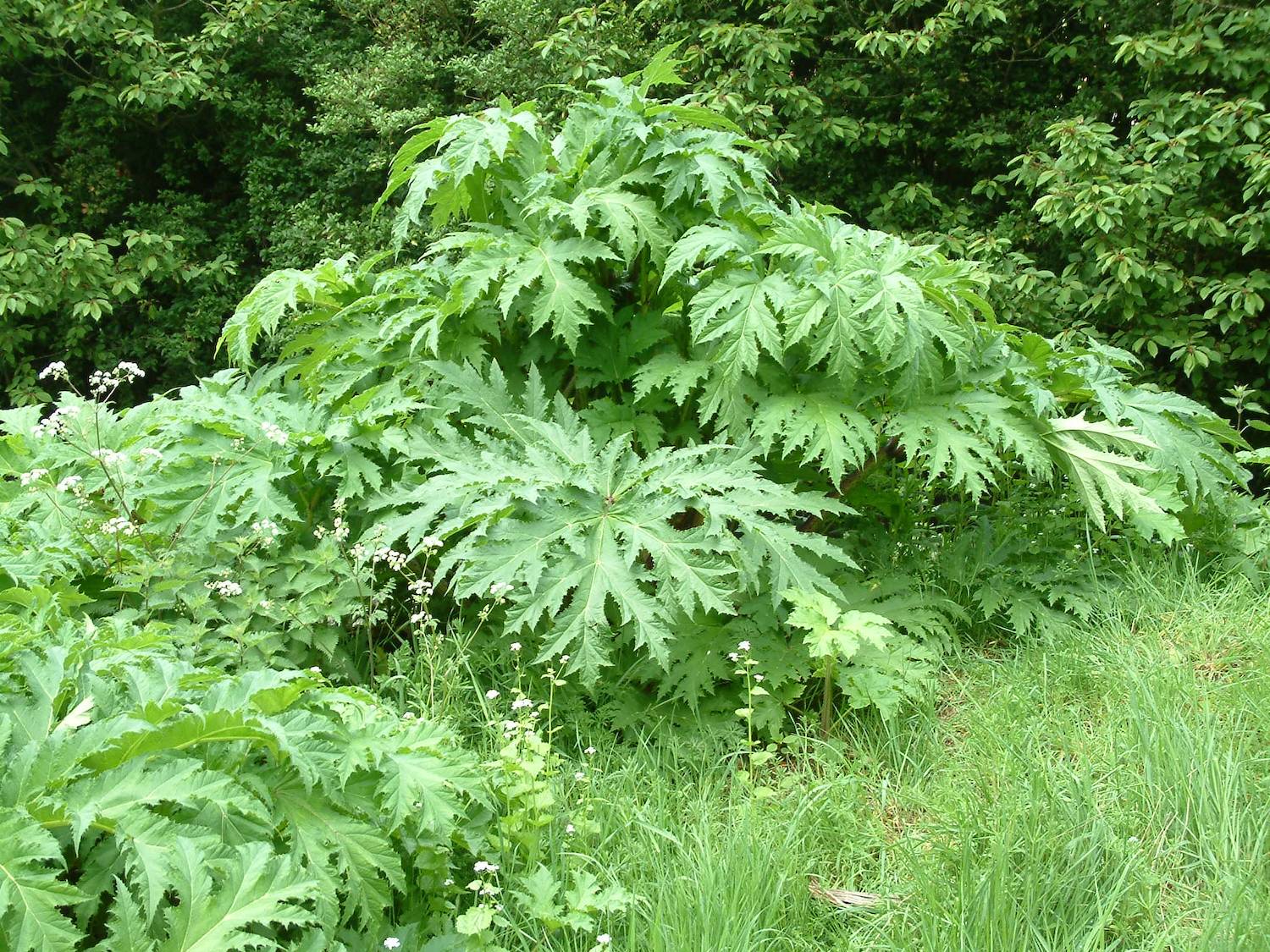
A giant hogweed plant – note the serrated leaves and distinctive purple stem
“Early identification and intervention are essential to preventing its spread, and farmers have a crucial role to play in controlling infestations across the landscape.”
The event featured field demonstrations showing how mechanical control methods can be effectively applied during the early stages of plant development, while also highlighting the importance of preventing the accidental spread of seeds and plant material.
Attendees were also reminded of the serious health risks associated with Giant Hogweed.
The sap contains toxic compounds that can cause severe skin irritation and blistering when exposed to sunlight, potentially leading to painful burns, long-term scarring and increased sensitivity to ultraviolet (UV) light.
The organisers of the event stressed the importance of using appropriate personal protective equipment (PPE) and following safe work practices when handling or removing the plant.
Water quality
Alongside invasive species management, participants viewed a range of water quality measures already in place on the Ryan farm.
Farmers heard how targeted actions can reduce nutrient and sediment losses to local waterways while maintaining productive and sustainable farming systems.
Roisin McManus of Teagasc outlined several measures supported through the Farming for Water European Innovation Partnership (EIP).
The organisers, facilitators and advisory team in attendance on the day
She explained how participating farmers can access practical solutions to improve water quality and biodiversity on their farms.
Measures discussed included riparian protection, targeted nutrient management, biodiversity enhancement initiatives and strategies to reduce runoff risks, including the closing off of watercourses to cattle, and the use of solar powered pumps and water troughs in the pasture.
Joan Martin of the Farming for Water EIP highlighted the importance of a coordinated catchment-wide approach to invasive species management.
“To effectively manage invasive species, we need to work from the headwaters downstream and ensure all stakeholders are involved,” she said.
“A catchment approach allows farmers, advisers, local communities, state agencies and environmental organisations to work together to prevent the spread of invasive plants and protect our rivers and biodiversity.
“Success depends on everyone playing their part across the entire catchment rather than addressing issues in isolation,” she said.
Source: Agriland. Summary reproduced for informational purposes.
Related
 Agriculture
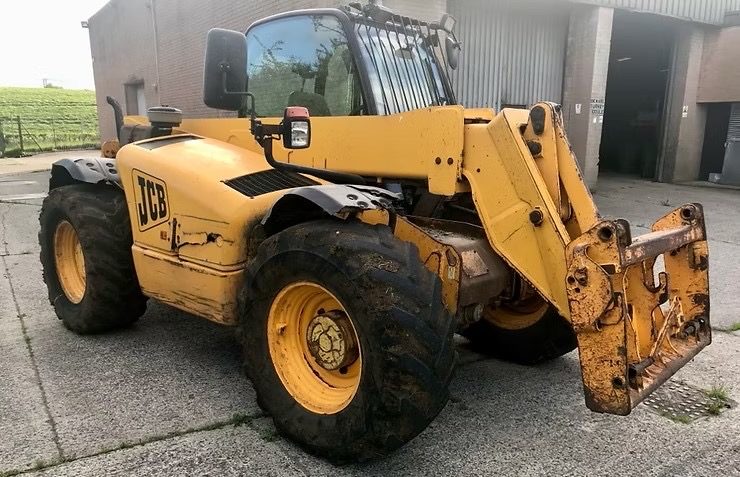
Over £100k losses in Antrim machinery and copper theft
Thieves went to “extraordinary lengths” to strip copper and steal machinery in a major Co. Antrim raid. The owner has estimated losses and damage exceeding £100,000 as farmers and rural businesses are urged to remain vigilant. The property owner near Ballymena
 Agriculture
Road users warned to be cautious as weekend storm approaches
The Road Safety Authority (RSA) is urging road users to exercise caution while using the roads this bank holiday weekend. Met Éireann has issued Status Orange and Yellow weather warnings as Storm Boelo approaches. It will bring very strong south-west winds whi
 Agriculture
Conference hears about ‘exciting opportunities’ for oat production
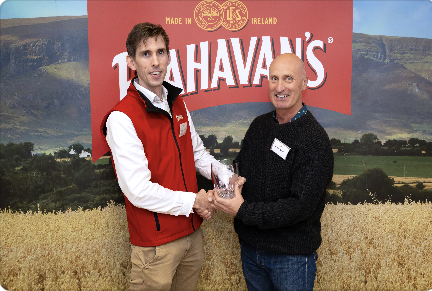
Flahavan’s Organic Oat Grower of the Year Award 2026 was presented this week to Angus Woods from Co. Wicklow. The award, which recognises his commitment to producing high-quality organic oats, was presented at Flahavan’s annual Organic Oat Growers Conference h
 Agriculture
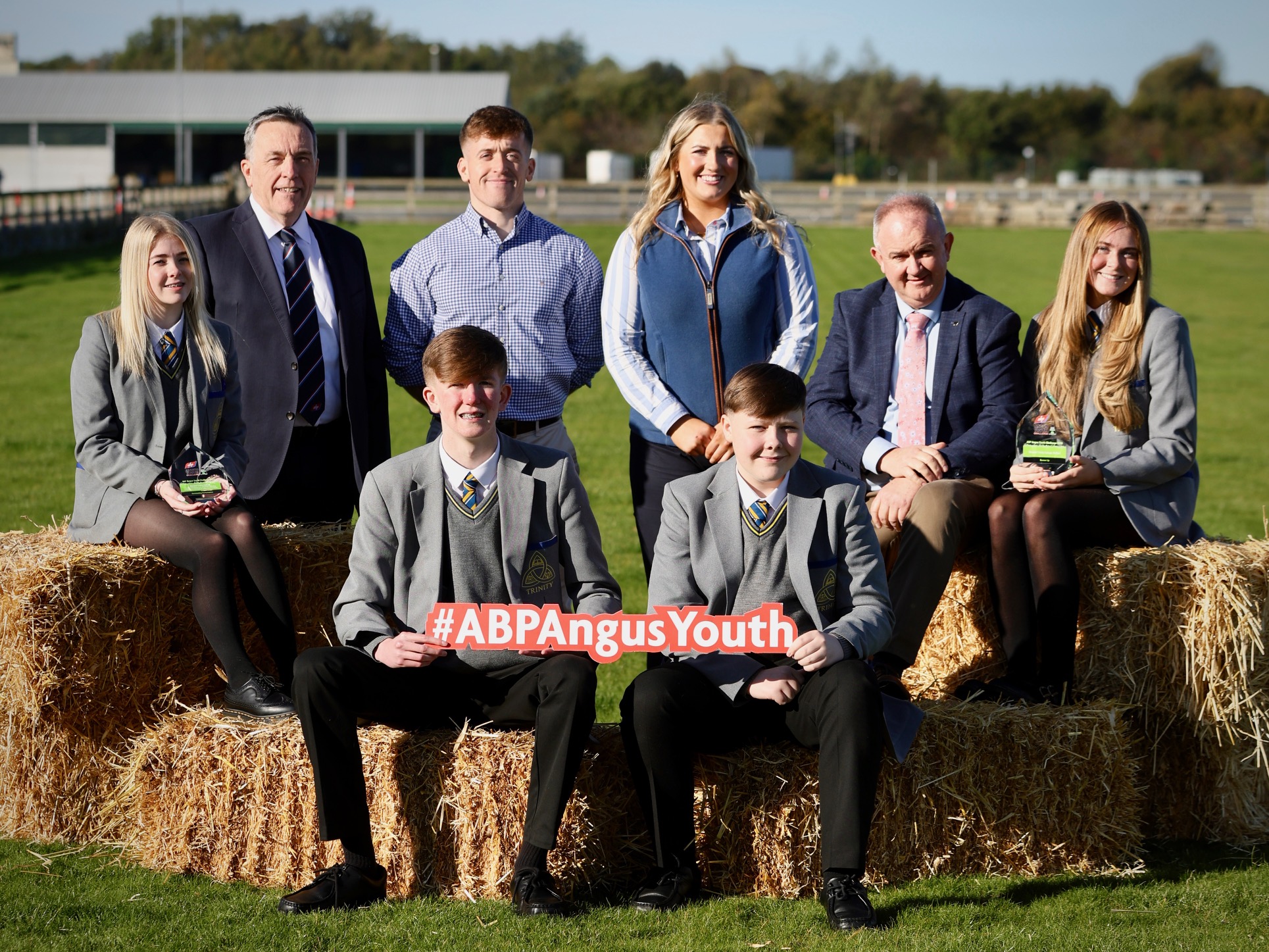
Ballymena Academy pupils take 2026 ABP Angus Youth Challenge crown
Two pupils from Ballymena Academy have been crowned overall winners of the 2026 ABP Angus Youth Challenge. The Year 12 students, Samantha Dunlop and Katie McNeilly won the competition with their project on how genetics can help improve the sustainability and p
Never miss a headline
The biggest stories in business and finance, delivered to your inbox. Join thousands of readers — unsubscribe any time.