The key role of sheep within hill farming systems
Research is confirming that sheep play a key role in helping to maximise the resource represented by hill farming systems.
This includes the grazing of blanket bogs at specific times of the year with these animals.
But it is an approach to sheep production that requires the implementation of balanced management systems on the part of flock owners.
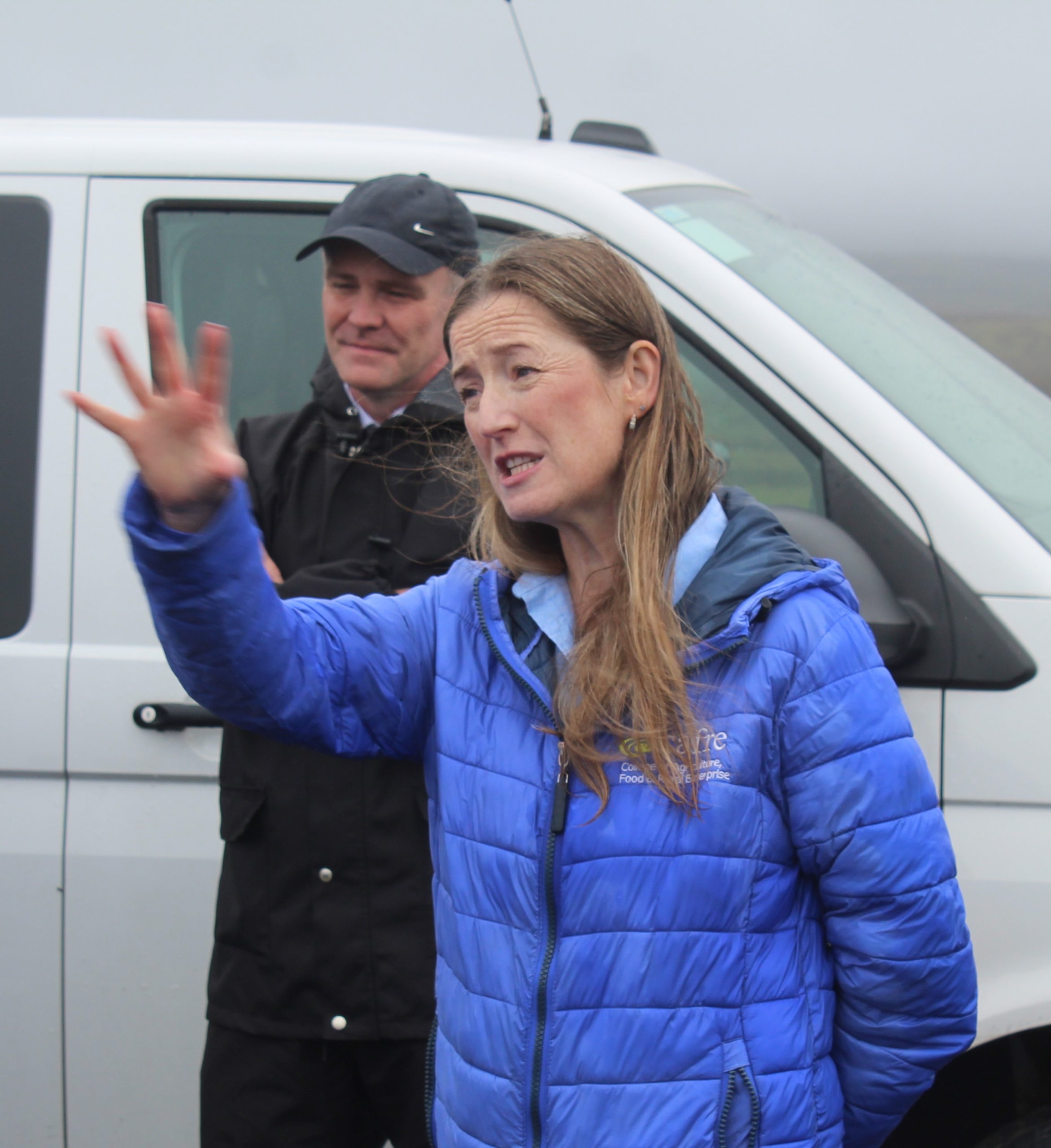
According to College of Agriculture, Food and Rural Enterprise (CAFRE) senior livestock technologist, Dr. Eileen McCloskey, upland sheep flocks in Northern Ireland can be managed in ways that deliver in terms of both food production and environmental improvement.
She explained: “Both suckler cows and sheep maintained in hill areas can meet all the production set for them.
“Key to making this happen is ensuring that animal health levels are maximised at all times.
“In addition, the livestock will also ensure that we meet our habitat priorities.”
CAFRE’s Dr. Eileen McCloskey
McCloskey made these comments while addressing members of the Northern Ireland Institute of Agricultural Science as they visited the CAFRE hill farm at Glenwherry in Co Antrim.
She continued: “What we are trying to demonstrate is that it is possible to maintain good and viable livestock systems while also managing habitats on a sustainable basis.”
Maintaining carbon stocks in hill areas, particularly where blanket bog is concerned, will be a key priority for hill farmers into the future.
McCloskey added: “What keeps that carbon there is the vegetation that is on top of the peat.
“A healthy plant cover delivers two objectives: it sucks carbon dioxide in from the atmosphere while also keeping the soil carbon stocks that already exist.
“In turn, livestock can manage the vegetation that is growing in different locations. So, it’s very much a case of selecting the type of livestock that best suit a specific environment.
“But irrespective of where a farm is located, everything comes back to managing soils effectively.”
According to the CAFRE representative, plans are in place to research the impact of different vegetation management systems at the Glenwherry hill farm.
These include the introduction of different grazing densities.
“Our aim is to identify those ways by which we can maintain the vegetation cover in a healthy state at all times.
“Exposed peat will quickly lead to significant losses in soil carbon. So, it’s very much a case of avoiding this scenario at all costs,” McCloskey said.
Related Stories
Antrim demo hill farm turning to tech to boost output
How gene programmes can unlock financial potential of hill sheep
What upcoming scheme dates should sheep farmers watch out for?
.editor-styles-wrapper .wp-block-acf-related-stories-block { max-width: 960px !important; background-color: var(--color-gray-default); padding-inline: 40px; padding-top: 8px !important; padding-bottom: 20px !important; }
The post The key role of sheep within hill farming systems appeared first on Agriland.ie .
Source: Agriland. Summary reproduced for informational purposes.
Related
 Agriculture
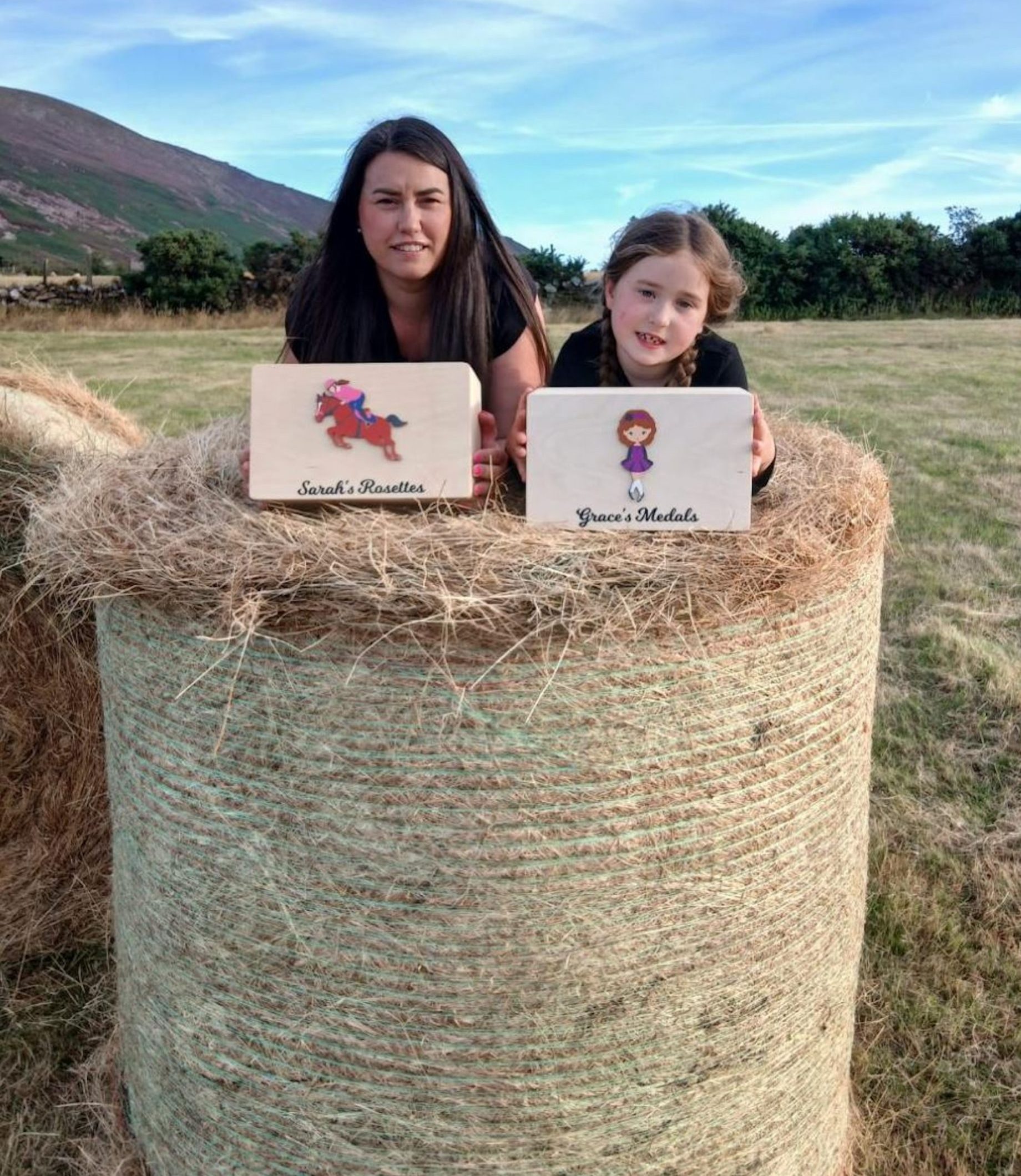
Carlow farming family turns GAA medals into business success
The accumulation of lots of hurling and Gaelic football medals by her husband led Ana Coady to start a new business, Little and Loveable, on the family farm. She said: “My husband, John, is a full-time sheep and dry cattle farmer and the idea actually started
 Agriculture
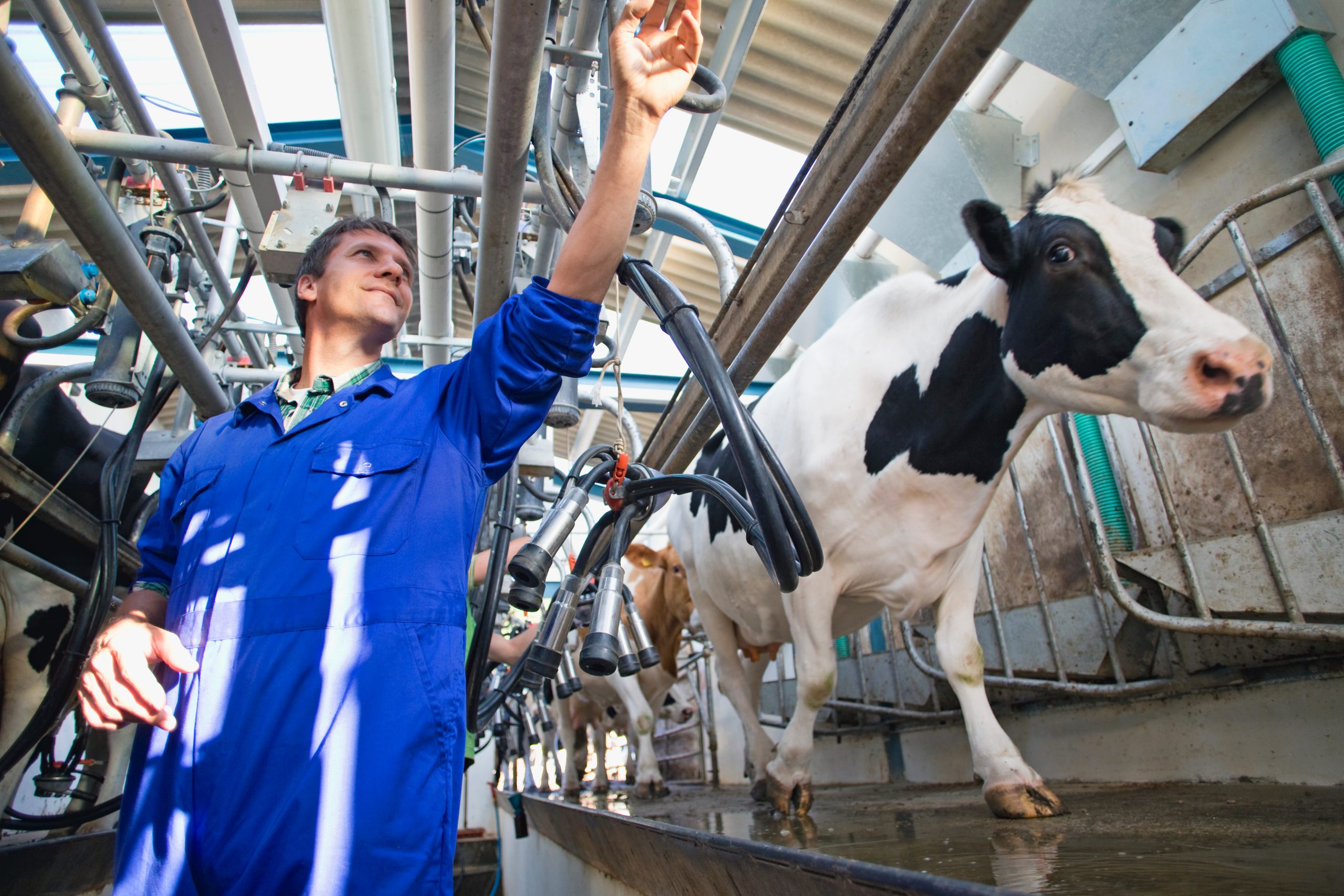
Generators for farms: What support is available?
As the winter months approach, farmers may be considering purchasing a generator. Generators can be vital equipment for farms to have due to weather-related impacts on electricity supply. Farmers may be considering either a diesel generator or a power-take-off
 Agriculture
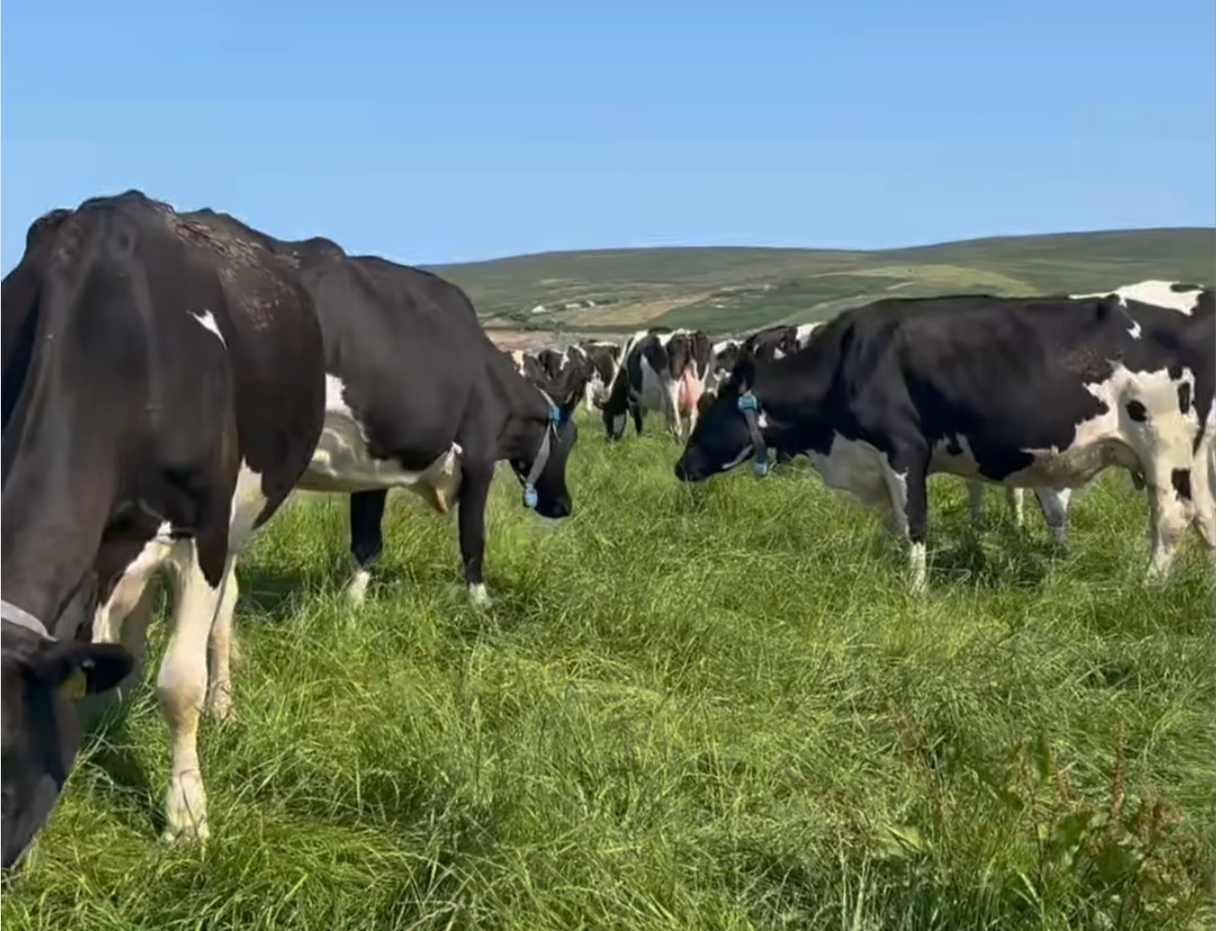
Rethinking dry-off on a high-performing Kerry herd
For Co. Kerry dairy farmer Maurice Harty, getting the most from a high-performing cow starts with making the most of the genetics in the herd. At Ballylongane Pedigree Holstein Friesians, the Harty family has been breeding pedigree cows since 1967, with the he
 Agriculture
Weekly factory cattle supply up 5,600 head on same week last year
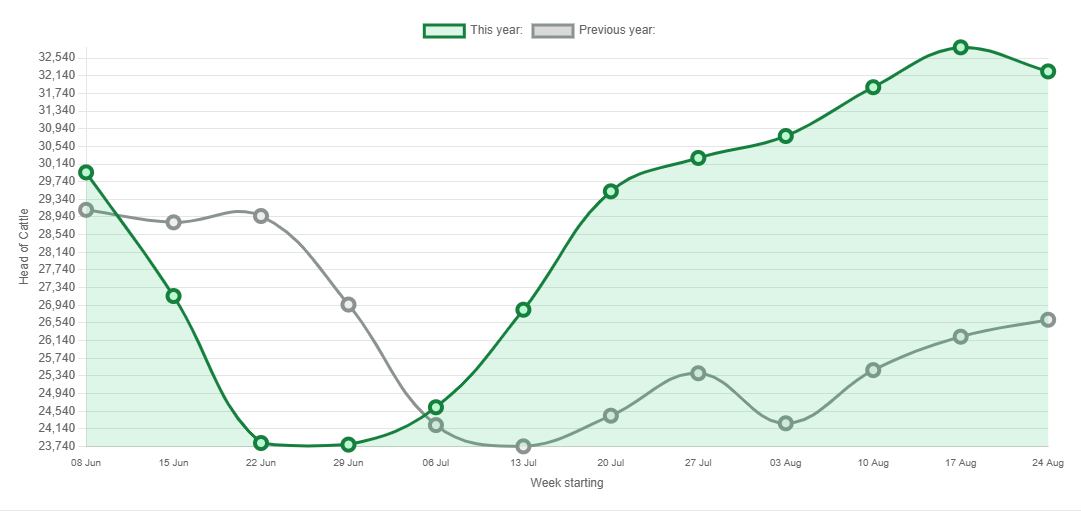
Weekly factory cattle supplies are up 5,600 head on the same week of last year, despite the overall kill this year being down by over 46,000 head or 4.2%. Last year saw unusually lower kill numbers throughout the second half of the year, whereas this year, kil
Never miss a headline
The biggest stories in business and finance, delivered to your inbox. Join thousands of readers — unsubscribe any time.