EESC president highlights sustainable farming to EU commissioner in Offaly
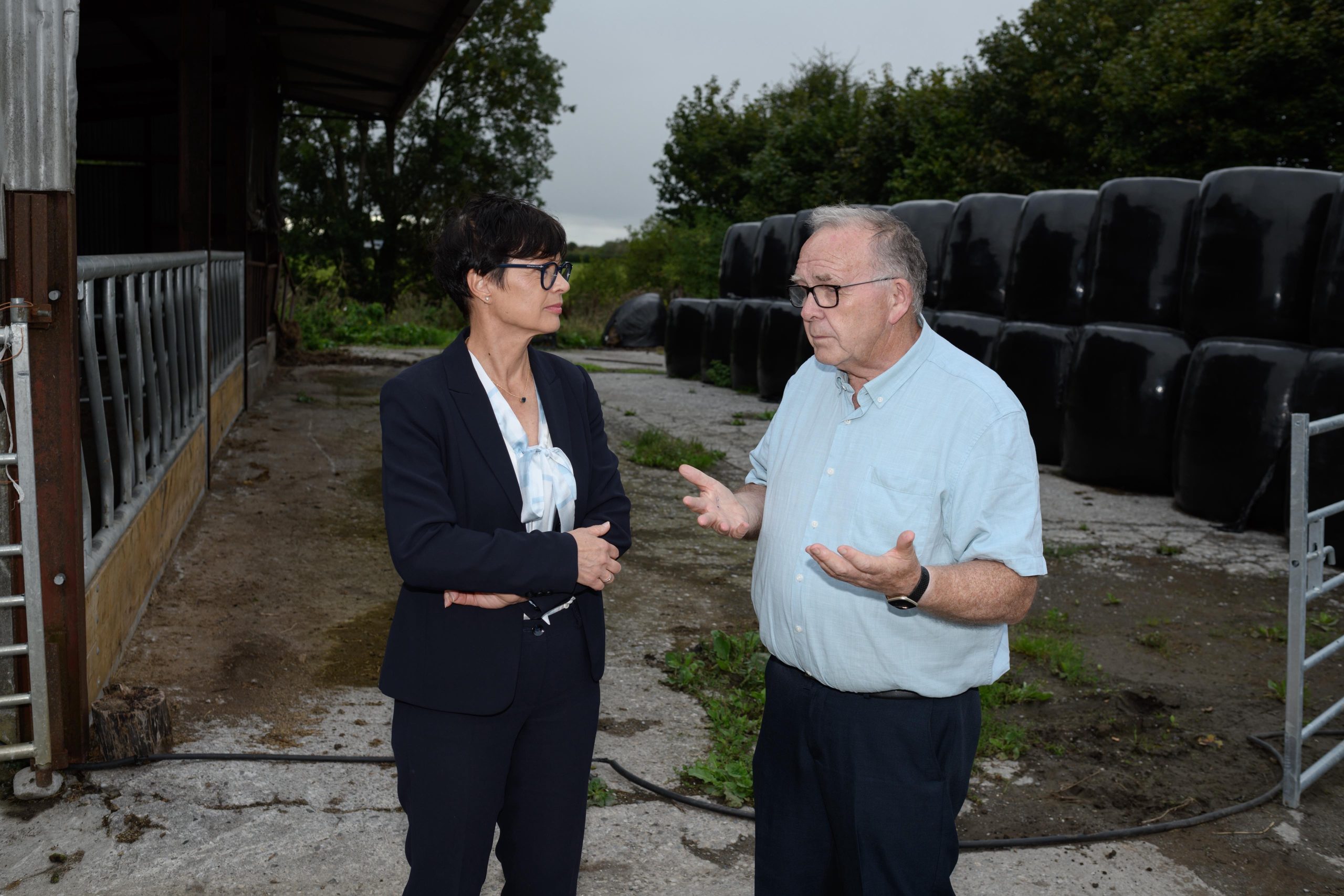
European Economic and Social Committee (EESC) president Séamus Boland hosted European Commissioner for Enlargement Marta Kos this week on his family farm in Ballycumber, Co. Offaly.
The pair discussed EU enlargement and the role of civil society in preparing candidate countries for membership.
The meeting took place during Commissioner Kos’s visit to Ireland for the EU Council presidency meetings of foreign affairs and European affairs ministers in counties Wicklow and Dublin.
The visit was also an opportunity to exchange views on how rural communities, farmers and civil society organisations contribute to economic resilience, social inclusion and democratic participation.
Boland showed how his family farm combines productive agriculture with environmental stewardship, offering a practical example of sustainable rural development.
Boland’s farm is managed in partnership with his son Jamie and uses only natural and non-chemical fertilisers as part of its sustainable farming practices.
The farm is around 32ha in size and has 51 beef heifers for beef production, as well as around 25 sheep at certain points of the year.
The farm has been owned by the Boland family since 1890.
Boland took over its day-to-day running aged 14 in 1970 after his father became unwell.
Commissioner visit
He said it was a “great pleasure to welcome Commissioner Kos” to his farm this week.
“Enlargement is one of the EU’s most important strategic projects,” Boland said.
“It is about bringing people together around shared values of democracy, solidarity and opportunity.
“As someone who has spent their life working with rural communities and civil society organisations, I know that successful enlargement must involve citizens and communities, not just governments and institutions.”
Commissioner Kos thanked Boland for hosting the visit to his farm, adding: “Europe is built in our communities, by people who take responsibility for their future. The same is true for enlargement.
“Joining the EU means changing laws, but above all transforming societies.
“Governments have to lead, but we need citizens, farmers, businesses and civil society to make enlargement a success. Their voice must be part of the process from the very beginning.”
In July, Boland also hosted European Commissioner for the Environment, Jessika Roswall on his farm for a discussion on sustainable farming, biodiversity and the future of rural communities.
Related Stories
EESC president hosts EU commissioner on his Offaly farm
Agriculture ‘cannot be forced to compete’ with other spending priorities
‘Genuine farmers’ should not pay the price for ‘weaknesses’ in CAP
.editor-styles-wrapper .wp-block-acf-related-stories-block { max-width: 960px !important; background-color: var(--color-gray-default); padding-inline: 40px; padding-top: 8px !important; padding-bottom: 20px !important; }
The post EESC president highlights sustainable farming to EU commissioner in Offaly appeared first on Agriland.ie .
Source: Agriland. Summary reproduced for informational purposes.
Related
 Agriculture
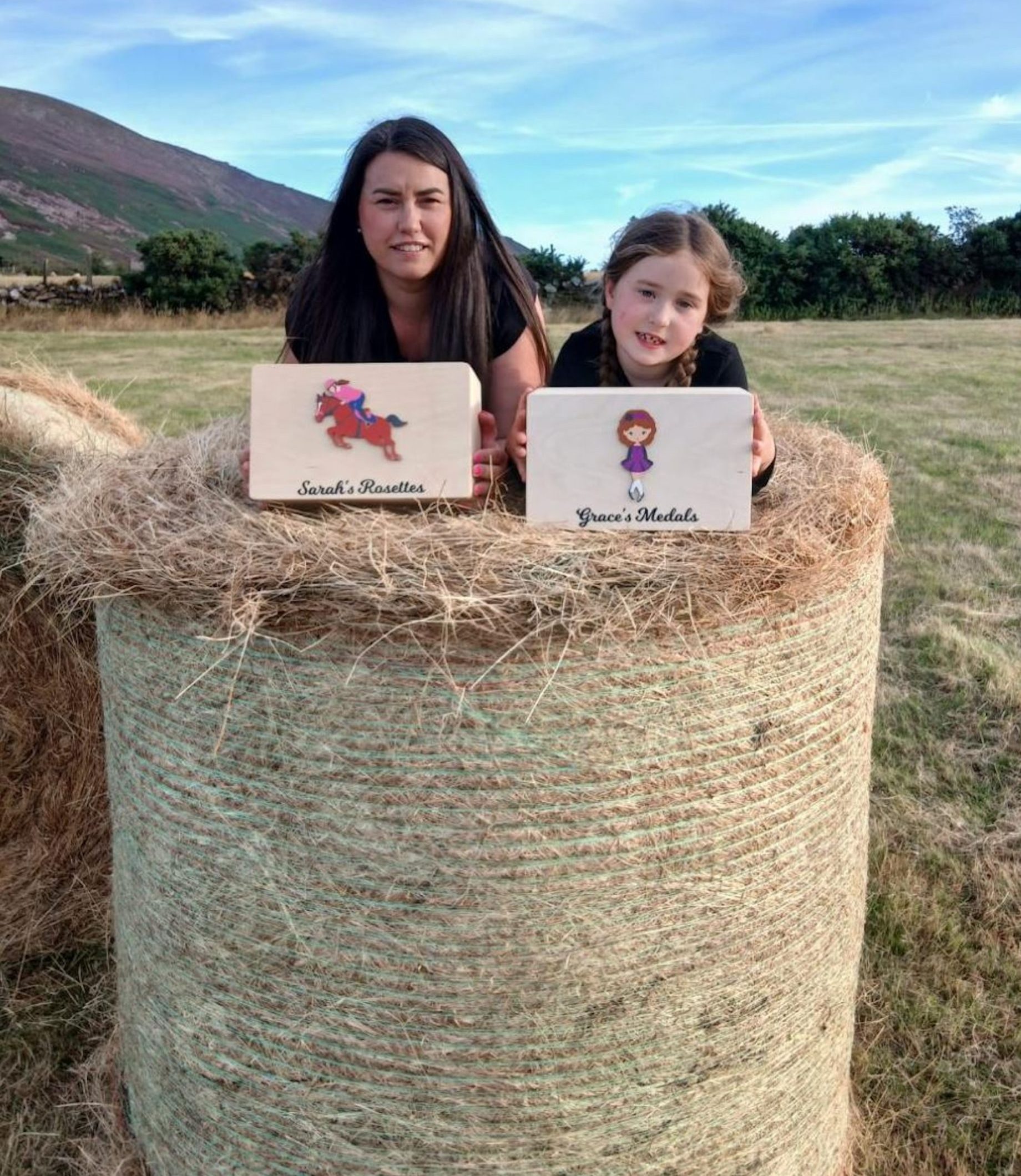
Carlow farming family turns GAA medals into business success
The accumulation of lots of hurling and Gaelic football medals by her husband led Ana Coady to start a new business, Little and Loveable, on the family farm. She said: “My husband, John, is a full-time sheep and dry cattle farmer and the idea actually started
 Agriculture
Generators for farms: What support is available?
As the winter months approach, farmers may be considering purchasing a generator. Generators can be vital equipment for farms to have due to weather-related impacts on electricity supply. Farmers may be considering either a diesel generator or a power-take-off
 Agriculture
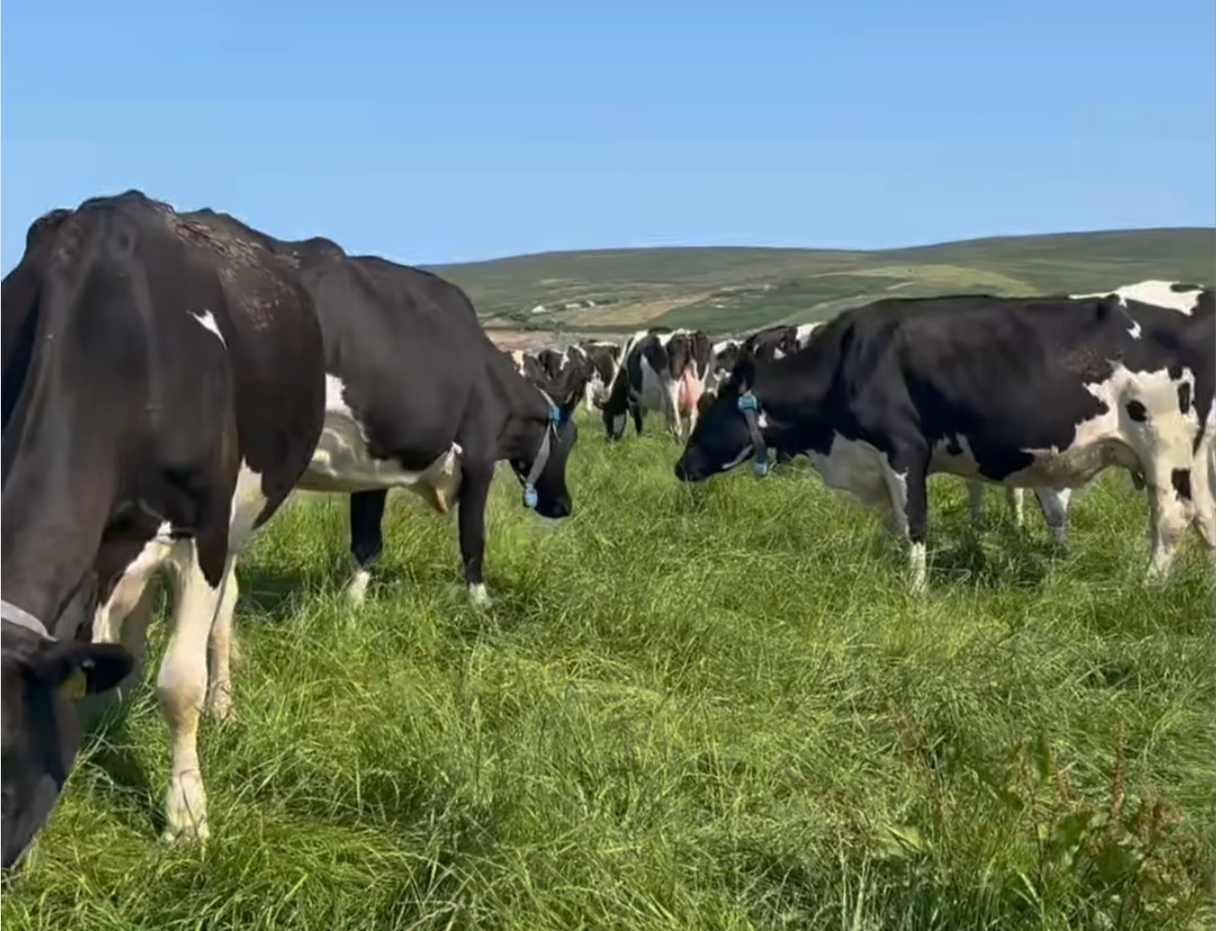
Rethinking dry-off on a high-performing Kerry herd
For Co. Kerry dairy farmer Maurice Harty, getting the most from a high-performing cow starts with making the most of the genetics in the herd. At Ballylongane Pedigree Holstein Friesians, the Harty family has been breeding pedigree cows since 1967, with the he
 Agriculture
Weekly factory cattle supply up 5,600 head on same week last year
Weekly factory cattle supplies are up 5,600 head on the same week of last year, despite the overall kill this year being down by over 46,000 head or 4.2%. Last year saw unusually lower kill numbers throughout the second half of the year, whereas this year, kil
Never miss a headline
The biggest stories in business and finance, delivered to your inbox. Join thousands of readers — unsubscribe any time.