Don’t let parasites cost you this housing season
As cattle come in off grass, how much of your parasite control is down to guesswork?
Estimated weights, a dosing gun that has not been checked since last year, or a wormer chosen out of habit can all cost you in performance this winter and in resistance down the line.
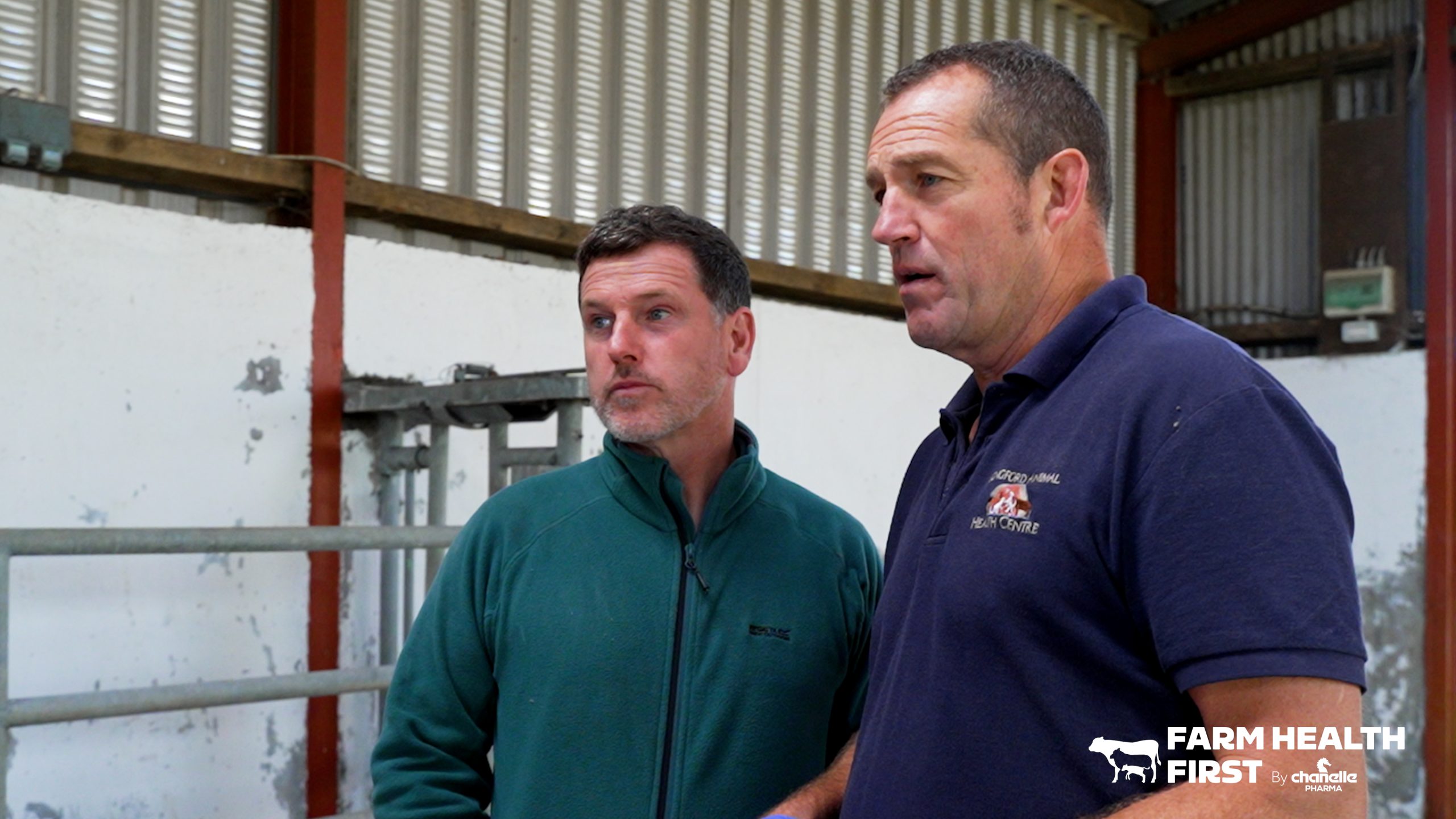
In Chanelle Pharma’s ‘From the Field’ winter housing series, Co. Longford vet Donagh McDonnell, Co. Longford beef farmer Shane Leavy, and University College Dublin (UCD) parasitologist Darren McDonald discuss how to plan your parasite control and keep cattle performing through the winter housing period.
Getting housing-ready: Plan ahead for parasite control
Waiting until housing day to treat can cause setbacks:
Lungworm damage may already have compromised performance and immune function;
Feed efficiency can be reduced, increasing winter feed costs;
Lice infestations may spread rapidly in sheds, requiring additional treatments later.
Beef farmer, Shane Leavy, explained: “We would think about dealing with any parasite issues five to six weeks before housing, based on what the vet advises.”
“Leaving it any longer would bring a parasite burden inside and something that could’ve been treated outside, would mean infected cattle wouldn’t have the headstart they could have had.
“Another benefit of treating cattle five weeks before housing would be cutting that parasite burden before they get into close quarters where there’s a chance of cross-contamination between animals and increasing risks and problems going forward.”
Minimise parasite risk and maximise autumn grass use
We may be fortunate to have an extended grazing season this year but are you optimising your extended grazing season?
As we enjoy the mild autumn weather, it can be easy to forget that gut worms, lungworms, and liver fluke thrive in warm, wet, humid conditions.
Therefore, a mild, damp autumn can mean cattle are picking up larvae right up until they come in for housing.
“If indicated by appropriate test results, such as faecal worm egg counts, worming roughly five weeks in advance of housing gives you a chance to optimise the use of autumn grass.
“It means we have healthier animals at housing; it reduces the worm burden, improving the cattle’s appetite and supporting the liveweight gain of the cattle,” Donagh said.
However, cattle can keep picking up worms until the day they’re housed.
In addition, fluke treatment timing depends on the product and the stage of fluke you’re targeting.
When planning your parasite control, talk to your vet about the right timing for your herd.
Make sure to maximise your herd’s liveweight gains by agreeing a parasite control plan with your vet to keep worm burdens down and maintain appetite and performance.
Spot the signs, seek advice, target treat
When monitoring your cattle’s health, it is important to know that symptoms can be due to several causes.
In the video, Donagh discussed several symptoms which should prompt a conversation with your vet.
“An example of these symptoms would be coughing in the case of lungworm, diarrhoea in the case of gastroenteritis, and scratching in the case of lice,” he explained.
Reaching for last year’s wormer is no longer the norm.
By taking your vet’s advice and target treating, farmers play a vital role in combating anthelmintic resistance.
Donagh also explained how your vet will look at the wormer group (white, yellow or clear) and active ingredient alongside your farm’s history, the parasites present and the time of year, so the treatment matches the problem.
There’s no one-size-fits-all wormer, so always take your vet’s advice when putting your treatment plan together.
The importance of faecal egg testing
Farmers play a crucial role in combating anthelmintic resistance on farms.
By knowing which parasites you are dealing with, consulting your vet and target treating, you save yourself time and money now and in the future.
UCD parasitologist, Darren McDonald reinforced that “you should only treat when tre
Source: Agriland. Summary reproduced for informational purposes.
Related
 Agriculture
Over £100k losses in Antrim machinery and copper theft
Thieves went to “extraordinary lengths” to strip copper and steal machinery in a major Co. Antrim raid. The owner has estimated losses and damage exceeding £100,000 as farmers and rural businesses are urged to remain vigilant. The property owner near Ballymena
 Agriculture
Road users warned to be cautious as weekend storm approaches
The Road Safety Authority (RSA) is urging road users to exercise caution while using the roads this bank holiday weekend. Met Éireann has issued Status Orange and Yellow weather warnings as Storm Boelo approaches. It will bring very strong south-west winds whi
 Agriculture
Conference hears about ‘exciting opportunities’ for oat production
Flahavan’s Organic Oat Grower of the Year Award 2026 was presented this week to Angus Woods from Co. Wicklow. The award, which recognises his commitment to producing high-quality organic oats, was presented at Flahavan’s annual Organic Oat Growers Conference h
 Agriculture
Ballymena Academy pupils take 2026 ABP Angus Youth Challenge crown
Two pupils from Ballymena Academy have been crowned overall winners of the 2026 ABP Angus Youth Challenge. The Year 12 students, Samantha Dunlop and Katie McNeilly won the competition with their project on how genetics can help improve the sustainability and p
Never miss a headline
The biggest stories in business and finance, delivered to your inbox. Join thousands of readers — unsubscribe any time.