Can finisher pigs thrive on 0.35% phosphorus rations?
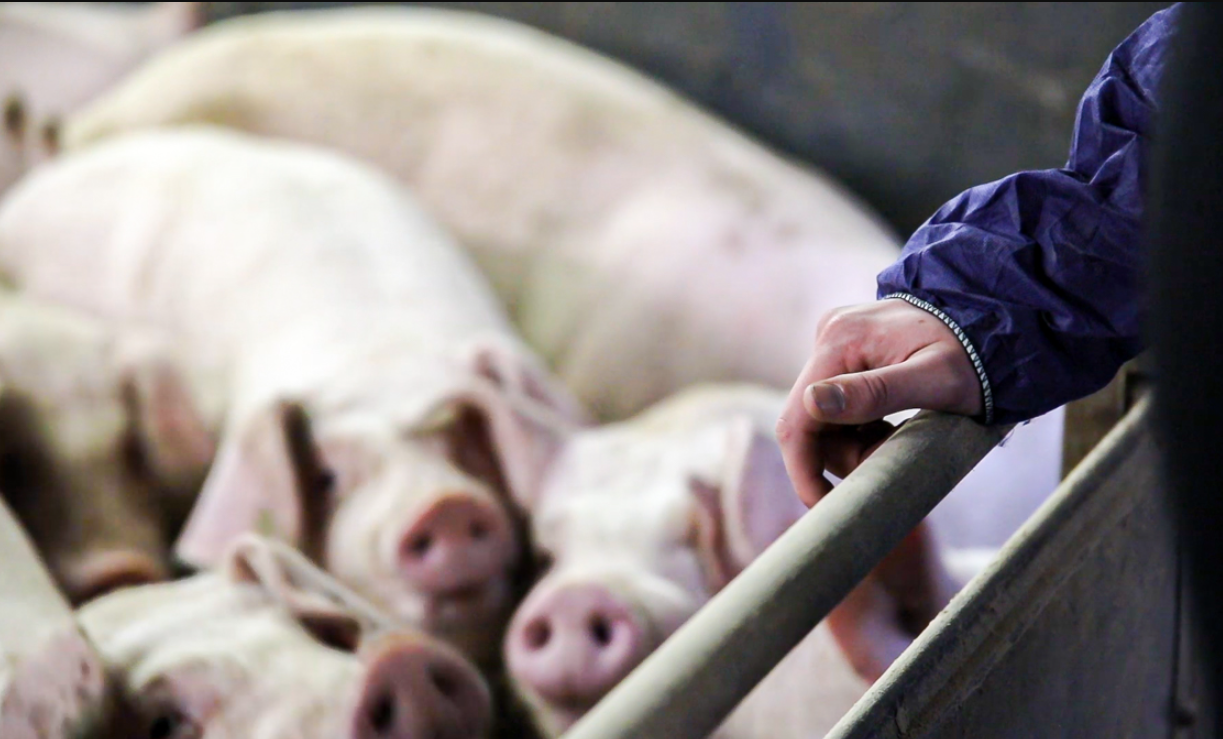
The amount of phosphorus (P) finishing pigs require in their diets to maintain productivity is the subject of research underway in Northern Ireland.
The trials are assessing if the level of dietary P can be safely lowered to 0.35%.
Phosphorus is an essential part of a pig’s diet and is fundamental for good bone health and production performance.
However, pigs can only digest a small amount of the mineral present in plant ingredients, meaning that much of it is excreted.
If the trials are successful, the reduction from the current level of 0.4% would represent a further significant improvement in the environmental footprint of pig production.
The research is being undertaken by scientists at the Agri-Food and Biosciences’ Institute (AFBI).
P reductions
In the early 2000s, P in pig diets was reduced from 0.6% to 0.5%, leading to 15% less P being excreted into the environment
This reduction was a result of trial work, which also demonstrated that it was possible to lower dietary P safely without impacting on pig performance or welfare in terms of bone strength.
Later research showed that dietary P could be reduced further by using the enzyme phytase, which reduced P excretion by 17%, but only when the total P content of the diet was reduced at the same time.
Otherwise, phytase can release extra P from feed ingredients that the pig does not need, which may in fact increase P excretion.
Building on these findings and other research, around 2010, Northern Ireland’s pig industry adopted a level of around 0.4% total P in finishing diets.
The move from 0.6% to 0.4% meant a 50% reduction in P excretion.
For example, before the reduction, in a 2,500 finishing place unit, excreted P on 0.6% total diets was 7.2t.
On 0.4% dietary P diets, the P in excretion from the same unit is only 3.6t per year.
Trials
AFBI is now conducting trials to see if dietary P can be safely lowered to 0.35% through targeted phosphorus nutrition and the use of phytase at higher levels.
For a 2,500 finishing place unit, excreted P could be lowered to 2.3t if the 0.35% level is proved to be successful.
AFBI research has also identified that modern pigs retain more P than pigs 20 years ago. This is due to improved genetics and nutritional strategies.
The finding is important because it helps identify where there is still potential to reduce phosphorus losses from pig systems.
Cutting these losses could save money at farm level while further reducing environmental impacts from pig production.
Related Stories
Wexford pig farm requires planning permission for shed use
Research explores use of seaweed by-products as pig feed
Traditional pig breeds take centre stage at Castlewellan Show 2026
.editor-styles-wrapper .wp-block-acf-related-stories-block { max-width: 960px !important; background-color: var(--color-gray-default); padding-inline: 40px; padding-top: 8px !important; padding-bottom: 20px !important; }
The post Can finisher pigs thrive on 0.35% phosphorus rations? appeared first on Agriland.ie .
Source: Agriland. Summary reproduced for informational purposes.
Related
 Agriculture
Carlow farming family turns GAA medals into business success
The accumulation of lots of hurling and Gaelic football medals by her husband led Ana Coady to start a new business, Little and Loveable, on the family farm. She said: “My husband, John, is a full-time sheep and dry cattle farmer and the idea actually started
 Agriculture
Generators for farms: What support is available?
As the winter months approach, farmers may be considering purchasing a generator. Generators can be vital equipment for farms to have due to weather-related impacts on electricity supply. Farmers may be considering either a diesel generator or a power-take-off
 Agriculture
Rethinking dry-off on a high-performing Kerry herd
For Co. Kerry dairy farmer Maurice Harty, getting the most from a high-performing cow starts with making the most of the genetics in the herd. At Ballylongane Pedigree Holstein Friesians, the Harty family has been breeding pedigree cows since 1967, with the he
 Agriculture
Weekly factory cattle supply up 5,600 head on same week last year
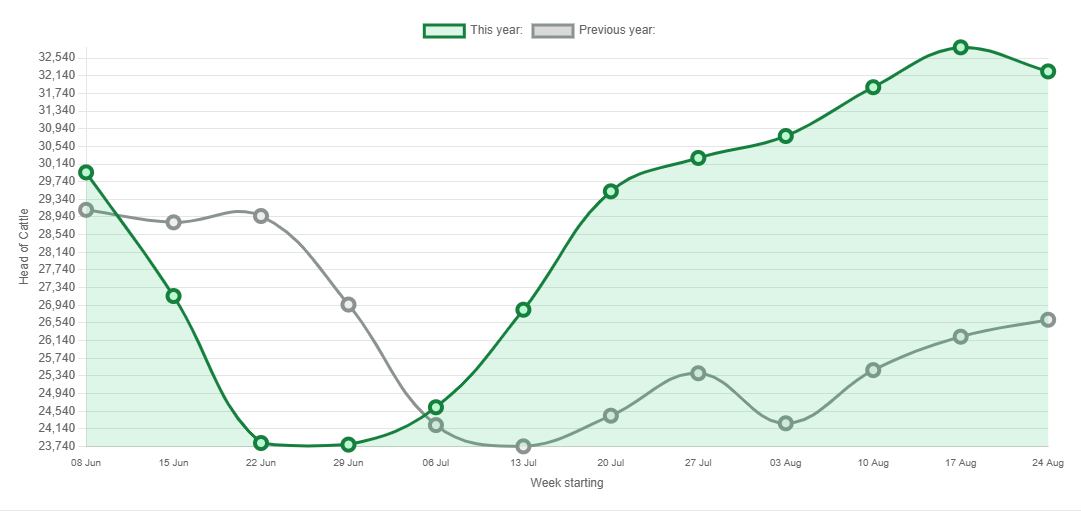
Weekly factory cattle supplies are up 5,600 head on the same week of last year, despite the overall kill this year being down by over 46,000 head or 4.2%. Last year saw unusually lower kill numbers throughout the second half of the year, whereas this year, kil
Never miss a headline
The biggest stories in business and finance, delivered to your inbox. Join thousands of readers — unsubscribe any time.