Building better cows from Day 1 on a Limerick dairy farm
Achieving average weaning weights of 112kg does not happen by accident.
For Patrick and Valerie Sheehy, it starts with meticulous calf management, high-quality nutrition and investing heavily during the first 70 days of life.
Patrick Sheehy and his daughter Valerie milk 100 pedigree Holstein Friesian cows near Ballingarry, Co. Limerick.
It is a spring-calving, grass-based system with a strong focus on genetics, animal health, and producing cows that perform.
Valerie, a qualified vet, plays a central role in both the breeding programme and calf management on the farm, both of which have a major impact on animal and overall farm performance.
Patrick said: “Valerie and I work together on the farm.
“She also works in the local veterinary practice and focuses mainly on breeding and calf management on the farm.”
This combination of first-hand veterinary knowledge and advice, coupled with Patrick’s experience, gives the Sheehys an edge in getting calves off to the right start.
Calving and colostrum management
The Sheehys start calving on the first of February each year, with heifers calving down first, followed by the main herd.
Patrick and Valerie use 100% artificial insemination (AI), and started using sexed semen on the heifers three years ago.
“This spring, 15 of the 23 heifers held to sexed semen from the first round, which we’re happy with.
“This year is also our first year using sexed semen on the cows,” Patrick said.
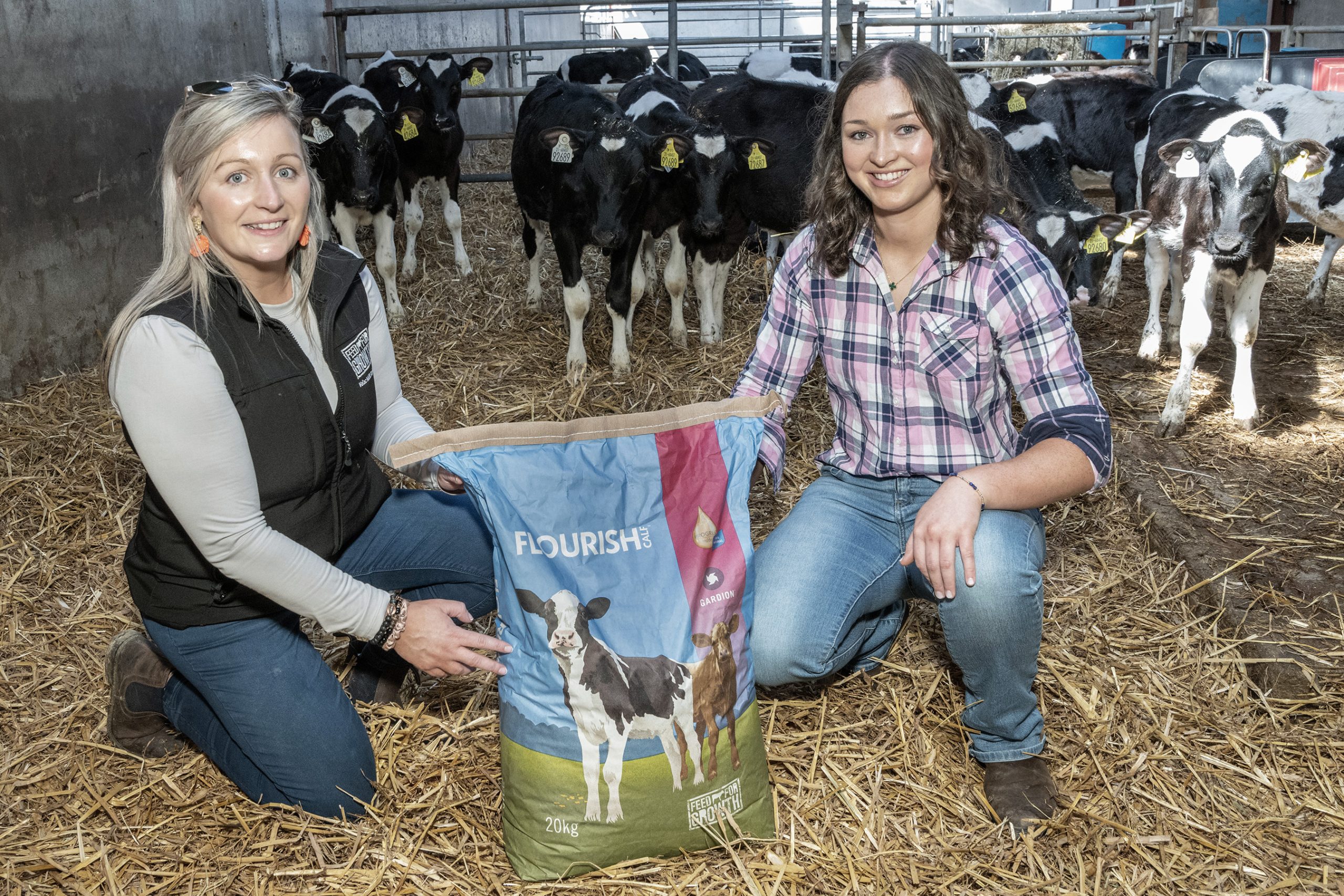
Feed For Growth business manager Sharon O’Donoghue and Valerie Sheehy discuss calf nutrition on the Sheehy farm, where Flourish Calf is part of the farm’s calf-rearing programme
From the moment the calf is born, the focus on the Sheehy farm is colostrum.
Getting the right volume of high-quality colostrum into the calf as quickly as possible is one of the most important things a farmer can do for calf health.
Colostrum contains essential antibodies that provide a newborn calf with passive immunity, protection it cannot produce on its own.
Patrick and Valerie are part of the Johne’s Control Programme, which recommends that calves are fed their own mother’s colostrum to help reduce the risk of disease transmission when Johne’s status is known.
The cows are also vaccinated three weeks before calving, making it even more important that each calf receives its own dam’s colostrum to maximise the protection passed from cow to calf against rotavirus and coronavirus.
After the colostrum period, calves are individually penned before receiving an RSV Pi3 intranasal vaccine on day five to help protect against respiratory disease.
Moving on to the automatic feeder
At day 10, calves move onto the Urban Alma Pro Fit Plus automatic calf feeder, set up in pens of 15, with four pens running during peak season.
Patrick has been using an Urban feeder for 13 years and upgraded to the new model this year through Hackett Dairy Services.
“I didn’t get a quote for any other feeder. I got great service for the last 13 years, so I decided to go again as good service is so important,” he said.
Feed For Growth (Volac Milk Replacers Ireland) business manager Sharon O’Donoghue works with Patrick and Valerie before each calving season to review the feeding programme, calibrate the feeder and tailor the feeding curve.
This on-farm support helps ensure calves get the best possible start and gives the Sheehys confidence that everything is set up correctly before the busy spring season begins.
Flourish Calf milk replacer
Following discussions with Sharon O’Donoghue, the Sheehys introduced Flourish Calf milk replacer, a 100% dairy protein product with a 50% skim milk inclusion rate.
Calves start on 6L per day, building to 8L spread across four feeds daily, and fed at a 15% concentration.
The feeding programme is managed by the feeder, including gradually weaning calves off milk, reducing the workload on Patrick and Valerie, plus reducing the stress on the calves.
Spring-born calves on the Sheehy farm near Ballingarry, Co
Source: Agriland. Summary reproduced for informational purposes.
Related
 Agriculture
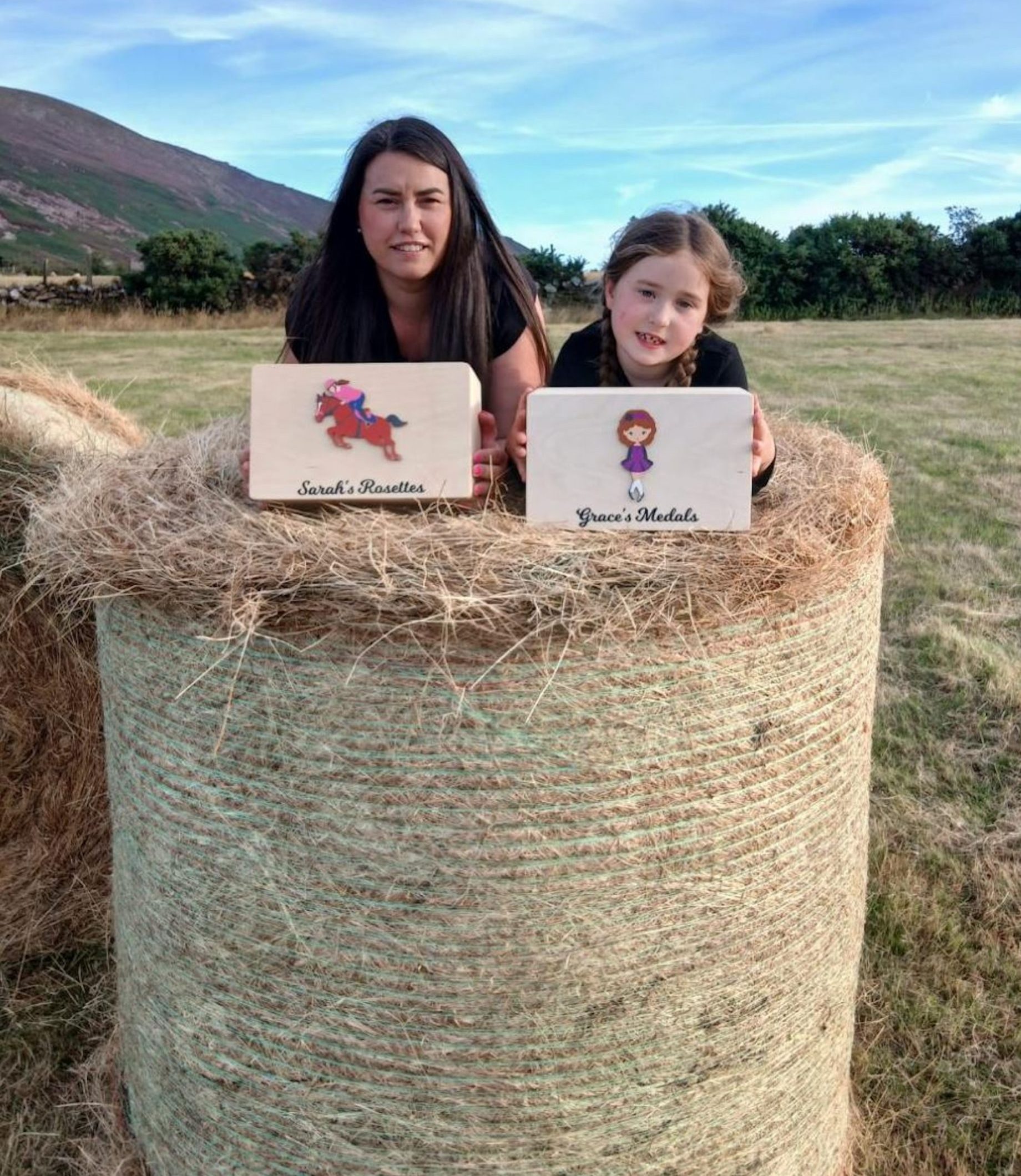
Carlow farming family turns GAA medals into business success
The accumulation of lots of hurling and Gaelic football medals by her husband led Ana Coady to start a new business, Little and Loveable, on the family farm. She said: “My husband, John, is a full-time sheep and dry cattle farmer and the idea actually started
 Agriculture
Generators for farms: What support is available?
As the winter months approach, farmers may be considering purchasing a generator. Generators can be vital equipment for farms to have due to weather-related impacts on electricity supply. Farmers may be considering either a diesel generator or a power-take-off
 Agriculture
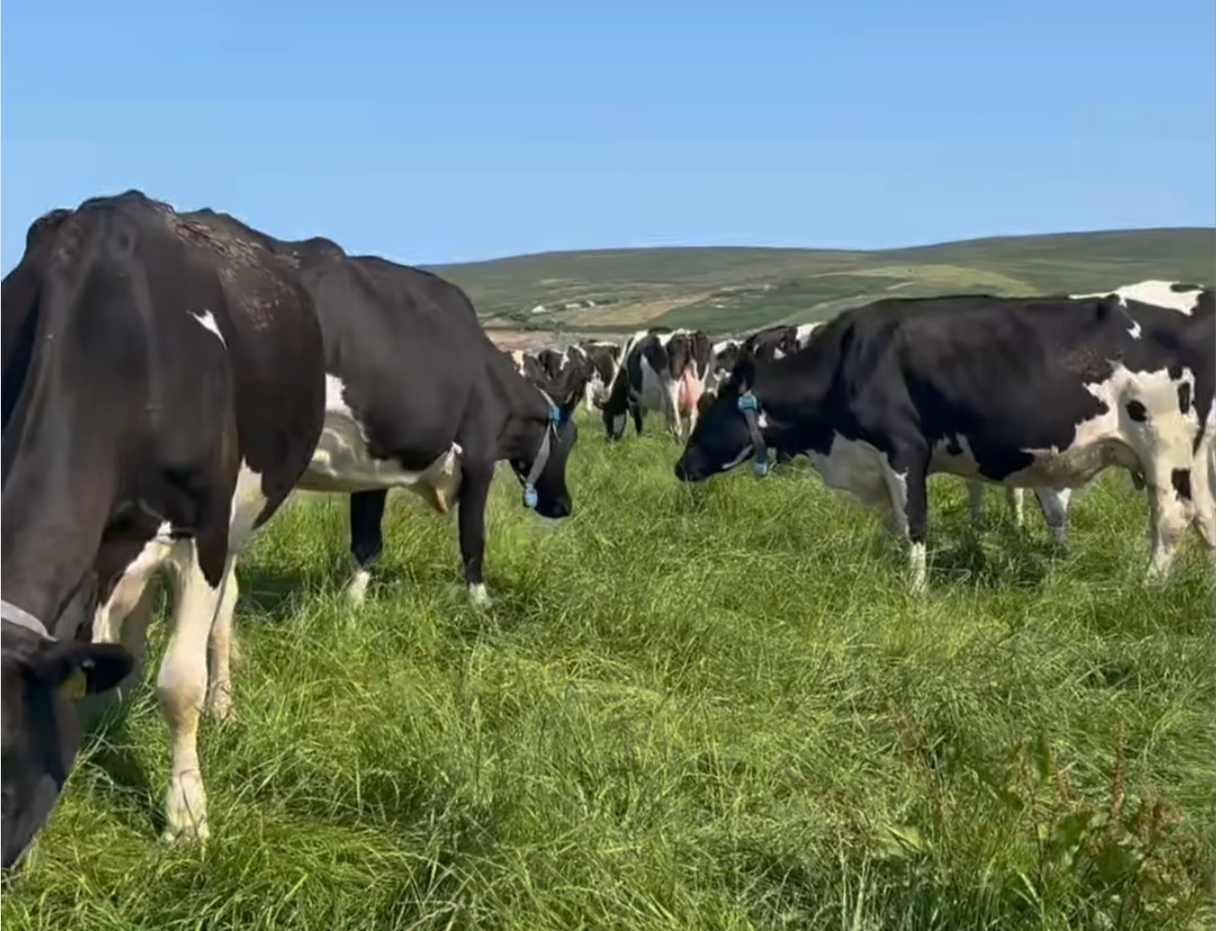
Rethinking dry-off on a high-performing Kerry herd
For Co. Kerry dairy farmer Maurice Harty, getting the most from a high-performing cow starts with making the most of the genetics in the herd. At Ballylongane Pedigree Holstein Friesians, the Harty family has been breeding pedigree cows since 1967, with the he
 Agriculture
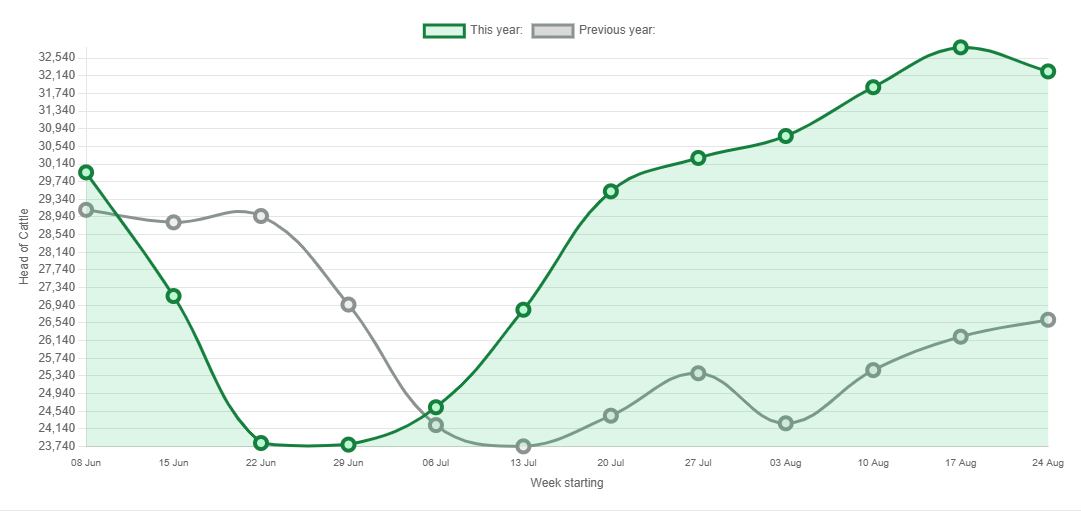
Weekly factory cattle supply up 5,600 head on same week last year
Weekly factory cattle supplies are up 5,600 head on the same week of last year, despite the overall kill this year being down by over 46,000 head or 4.2%. Last year saw unusually lower kill numbers throughout the second half of the year, whereas this year, kil
Never miss a headline
The biggest stories in business and finance, delivered to your inbox. Join thousands of readers — unsubscribe any time.